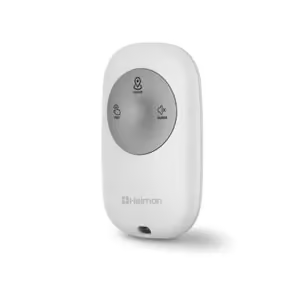
- Power supply
- Power supply: DC3 V (Lithium Battery); Power supply mode: 1 year Battery
- Wireless protocol
- RF433, RF868
- Dimensions
- 34.5 × 57.5 × 13 mm
Price on request
3 products
Price on request
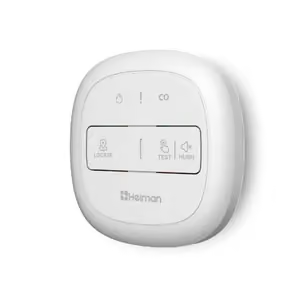
Price on request
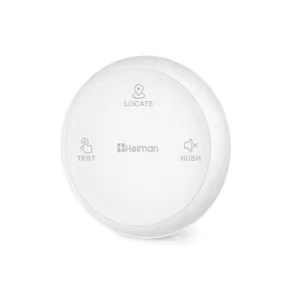
Price on request
Delivery, installation, setup and warranty service from LAGI.
Describe the property and what needs protecting. We will send you the cost of equipment and installation.
Fire Alarm Remote Controllers are wireless control devices that allow managing fire alarm system remotely – arm/disarm, testing, silencing false alarms, manual alarm activation – in Tbilisi and throughout Georgia. These remotes are ideal for homes, apartments, offices, and any facility with fire alarm system – no physical access to hub or panel required, convenient control from anywhere in room. LAGI offers fire remote controllers with full functionality: 433MHz/868MHz RF technology, 50-100m range (inside building), Arm/Disarm buttons (system on/off), Panic button (manual alarm activation), Mute button (silence false alarms for 10 minutes), Test button (system testing), LED indicator (status), battery power (1-2 years, CR2032), convenient size (key fob, pocket). All models comply with EN 54 standard.
Remote controller needed for several reasons: silencing false alarms – when something burning on kitchen stove and smoke detector triggered → can silence siren from remote (Mute button) for 10 minutes, no physical access to detector or panel required. Manual alarm activation – if saw fire but smoke detector not triggered yet → can activate alarm from remote (Panic button). System testing – periodic testing (Test button) to ensure system works. Convenience – no physical access to panel required (usually panel on wall or ceiling).
Depends on fire system hub or panel model. Standard systems – 4-8 remotes (enough for family, office), each family member or employee individual remote. Large systems – 20-50 remotes (large facilities, hotels, offices), each zone or department individual remotes. Programming: all remotes must be programmed (paired) with hub – usual procedure: on hub press Pairing button → on remote press any button → hub recognizes remote. Recommendation: minimum 2 remotes for each home (one on key fob at entrance, one in bedroom).
433MHz remotes – old standard, widely used, cheap, but more RF interference (many devices use 433MHz – garage remotes, wireless doorbells, toys), possible interference. 868MHz remotes – new standard, less RF interference (fewer devices use 868MHz), more stable connection, larger range (10-20% better), but slightly more expensive. Range: 433MHz – 50-80m inside building, 868MHz – 60-100m inside building. Recommendation: if your area has much RF interference (much Wi-Fi, wireless devices) → choose 868MHz remote (more stable).