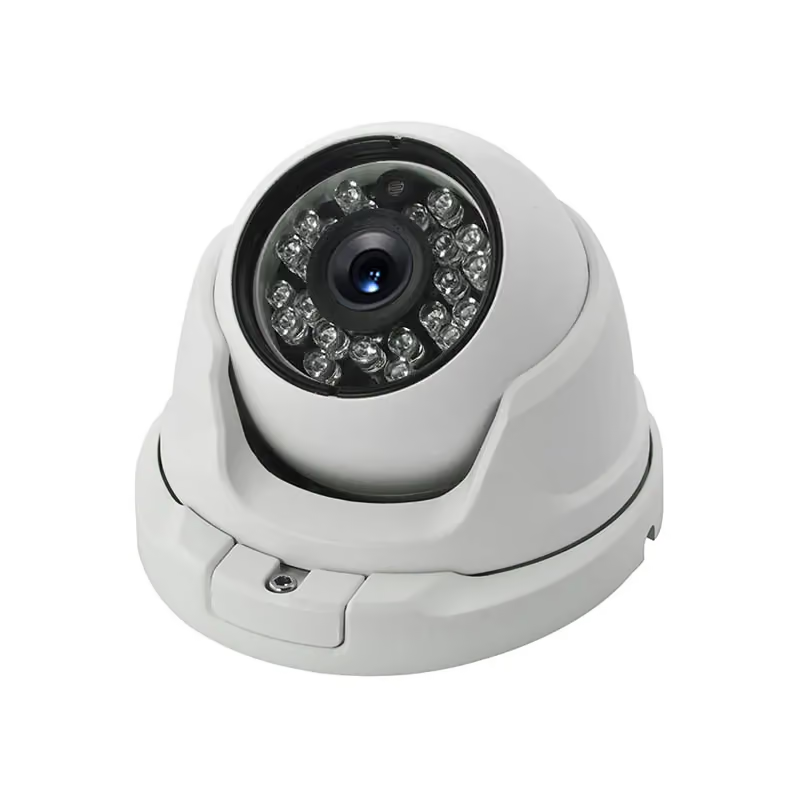
MUWEITE MV-B2056 IP camera
1080P IP camera with a 2.8–12 mm lens and 36 IR LEDs: the view is chosen for the area, from a wide shot to a driveway.
Price on request

Business
Cameras at reception, in corridors and at the entrance, access control for staff rooms and medicines, time and attendance, alarms and background music.
CCTV for a clinic is set up to cover the entrance, reception, till and corridors without filming anywhere a patient undresses or has a treatment. Access control is usually added to the cameras: staff rooms, the storeroom and the medicine cabinet open by card or face, and the log shows who went in and when. LAGI selects, designs, installs and maintains CCTV, access control, time and attendance, alarms and background music for clinics, dental practices and medical centres in Tbilisi and across Georgia. Site surveys are free in Tbilisi.
Risk
A dispute with a patient over a booking, a payment or the quality of a service
How we solve it
Cameras above reception and the till and at the entrance: footage with exact timestamps shows who came in, when, and what happened at the desk. The archive is kept on the recorder for as long as the clinic needs.
Risk
Outsiders walk into staff rooms, the storeroom or the medicine store
How we solve it
An access control system: electric locks and card, fingerprint or face readers on the doors of staff rooms, the storeroom and the medicine room. The access log shows who opened each door and when.
Risk
A badly placed camera makes patients uncomfortable
How we solve it
We put cameras only in shared areas: the entrance, reception, waiting area, corridors and till. Consulting rooms, treatment rooms and cubicles where patients undress have no cameras, and a CCTV sign goes up at the entrance.
Risk
Doctors and nurses work in shifts, and hours are tracked in a notebook
How we solve it
A face or fingerprint time and attendance terminal: face recognition needs no contact, which helps when staff wear gloves. Each employee's arrivals, departures and shifts are collected in a report.
Risk
At night, equipment and medicines stay in an empty building
How we solve it
A burglar alarm with door and window contacts and motion detectors, alerts to the owner's phone, and a fire alarm with smoke detectors in every room.
Cameras at the entrance, reception, till, waiting area and corridors, with none in consulting or treatment rooms. The archive is kept on the recorder and can be viewed on your phone.
Electric locks and card, code or face readers on staff doors, the storeroom and the medicine room, with a log of who opened each door and when.
A touch-free face recognition or fingerprint terminal: shifts of doctors, nurses and receptionists in a report, with no paper timesheets.
Smoke detectors in rooms, corridors and the storeroom, manual call points at the exits, sounders and a control panel.
Door and window contacts, motion detectors in rooms and the storeroom, arming at closing time and alerts to your phone.
Ceiling speakers in the waiting area, at reception and in treatment rooms, with separate volume for each zone.
Models from the categories of the systems above. We choose the exact set after the site survey.
1080P IP camera with a 2.8–12 mm lens and 36 IR LEDs: the view is chosen for the area, from a wide shot to a driveway.
Price on request
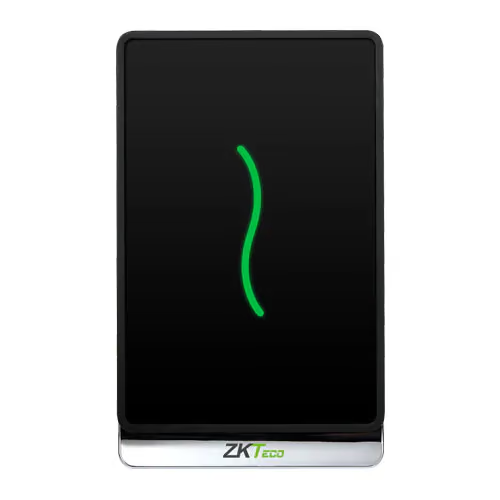
Network access controller with a built-in card reader for outdoor mounting: IP67, -20 to 65 °C operation, 60000 users.
Price on request
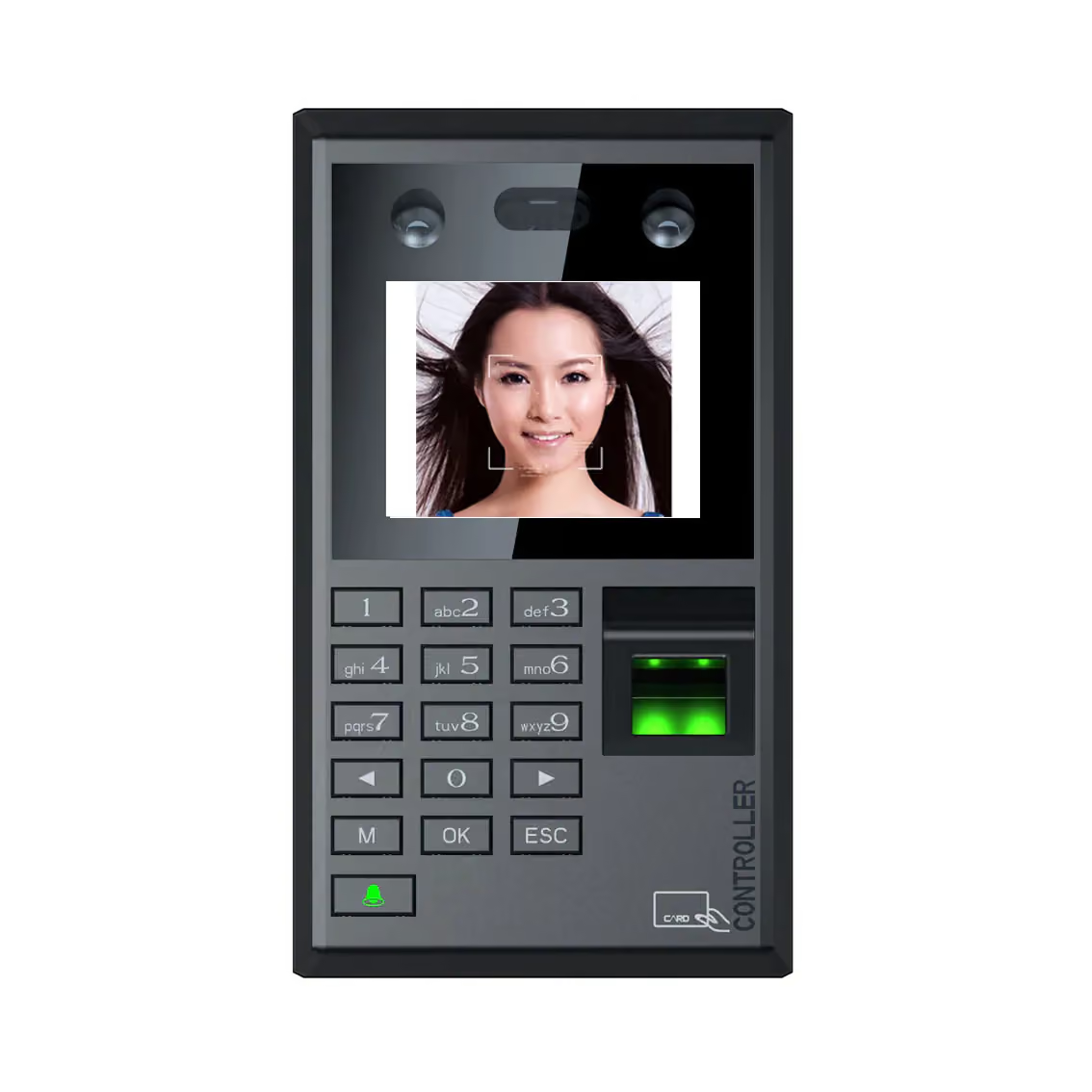
Face recognition terminal for two set-ups: a standalone access controller, or a Wiegand reader for another controller.
Price on request
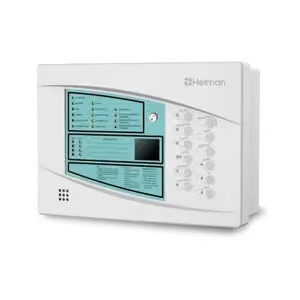
Control panel for a conventional fire alarm with 2 or 4 zones: audible and visual alarm on the panel, relay output, backup batteries.
Price on request
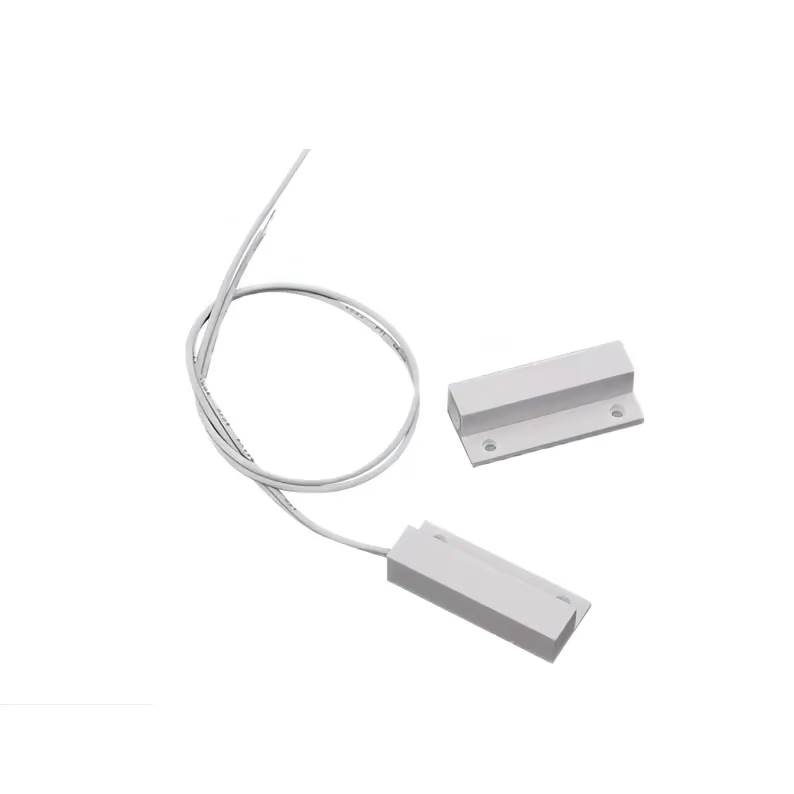
Compact magnetic door contact measuring 27 × 14 × 7.6 mm, in NC and NO versions for a wired security alarm.
Price on request
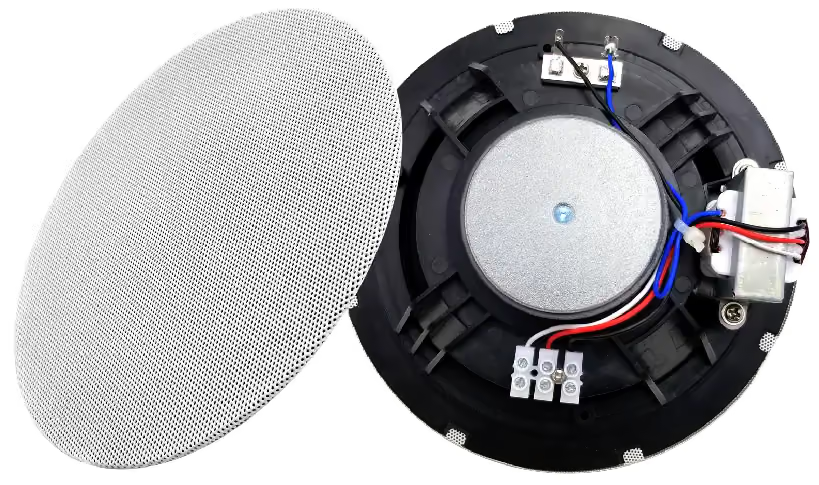
Frameless 5" ceiling speaker only 55 mm deep, for background music and announcements: 3 and 6 W taps, transformer for a 100 V or 70 V line.
Price on request
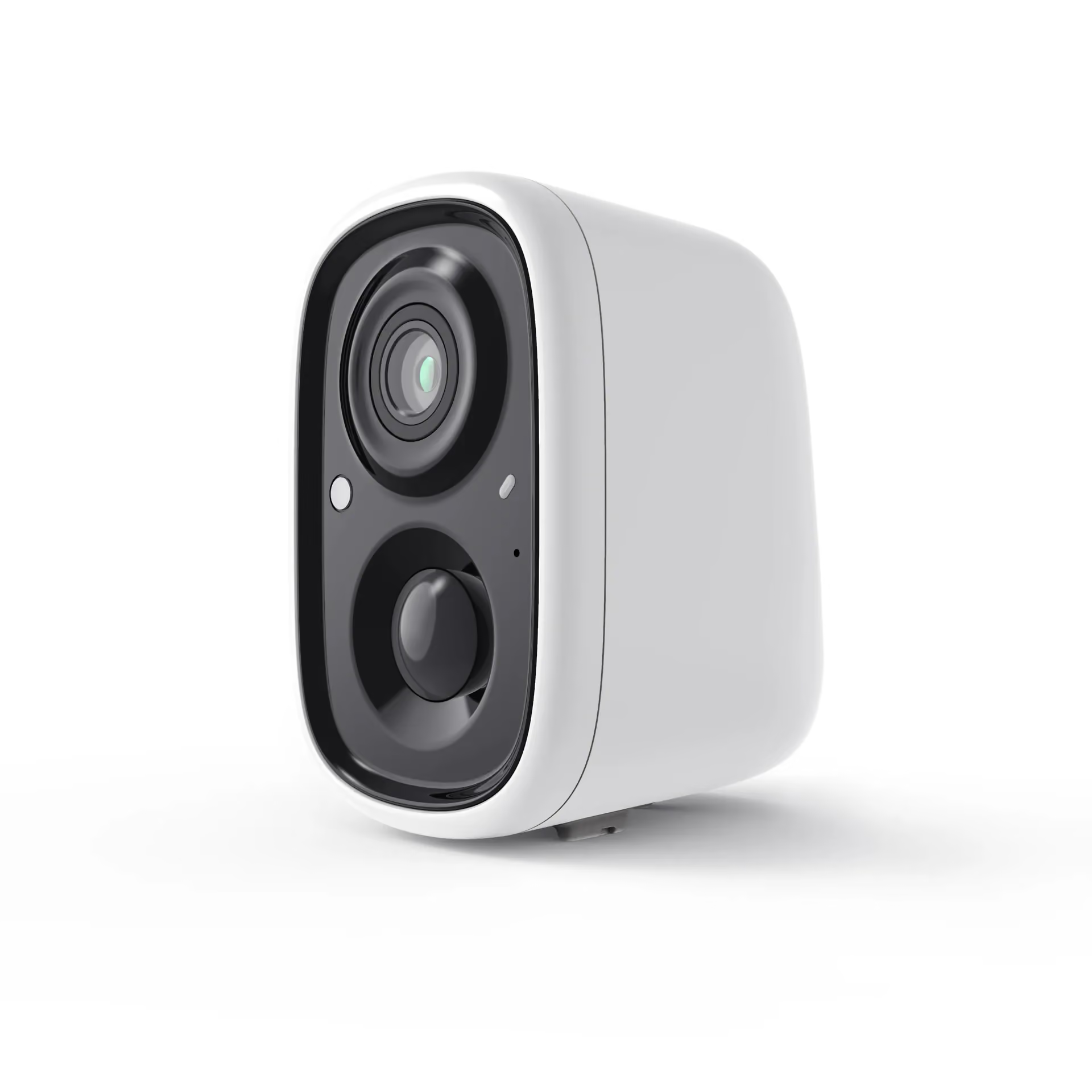
Compact 1080P Wi-Fi camera on a battery: 6 months between charges, PIR sensor, two-way audio and an IP65 housing.
Price on request
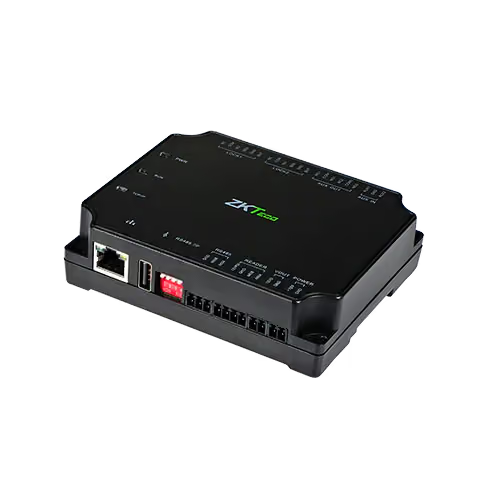
Compact network access controller for 2 doors, expandable to 10 with DM10 modules: 30000 cards, a log of 200000 events, TCP/IP and RS485.
Price on request
We cover the entrance, reception, till and corridors and never film consulting or treatment rooms where patients undress.
Staff doors, the storeroom and the medicine cabinet open by card, code or face, and a lost card is blocked in the software.
You can see who opened each door and when, and the same log doubles as time and attendance.
Background music is set by zone: it plays in the waiting area and at reception, while in treatment rooms it can be turned down or off.
Show the engineer the entrances and areas you want to monitor.
We agree on the equipment, installation points and estimate with you before work starts.
We run the cables, connect the devices and test the system on site.
We show you how to use the system and who to contact for service.
As a rule, no: in consulting and treatment rooms patients undress and discuss their health, so cameras go only in shared areas, such as the entrance, reception, till and corridors. If a camera really is needed in a particular room, for example to watch expensive equipment, the clinic makes that decision itself, ideally together with a lawyer.
Yes, the recorders of all branches are added to one account in the manufacturer's app, and the owner switches between them on a phone or computer. Each branch manager can be given access to their own cameras only. For this, it is best to use recorders from one manufacturer set up in the same way.
An engineer visits, inspects the property and suggests a setup with a quote.